Diasporarecords.com
open up your ears
Do you want to open up your ears to universal beauty? You can board on a hardcore vinyl record digging trip to unique travelling destinations. I’m here to help create constantly renewed cultural encounters between you and music from around the globe.
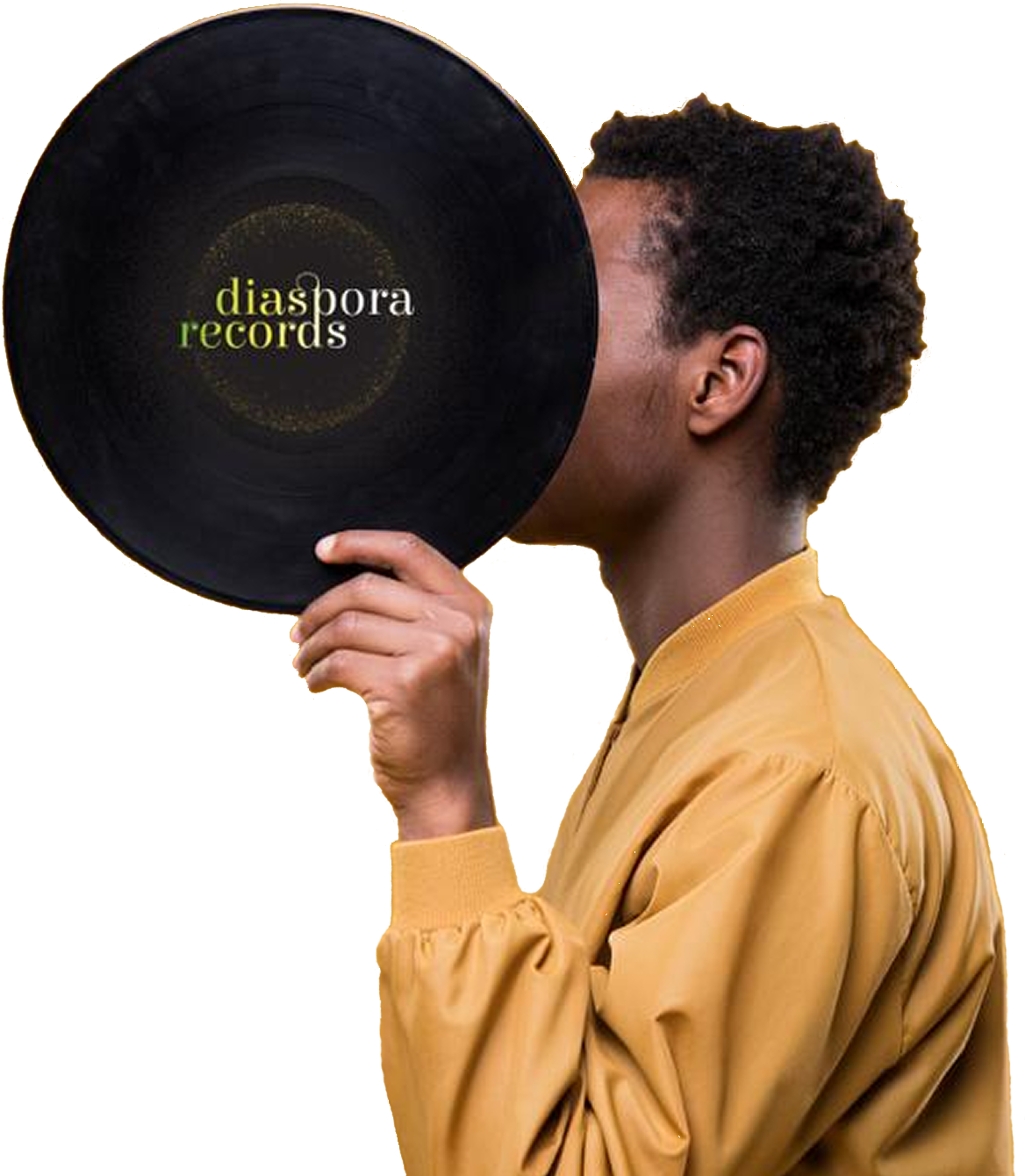
A passion for hardcore record digging
Record digging and selling is a way to open new paths or set new trends in vinyl collecting. I also sell eternally in-demand classics by renowned artists. Therefore, you can always find that vinyl must have here, be it funk by James Brown, psych rock by the Stones, cool jazz by Miles Davis, afrobeat by Fela Kuti or classic Oriental music by Oum Kalsoum. But you’ll probably bump more into records you’ve never heard of as I like to keep pushing record digging further, through either time or space. Because what I’m really interested in is digging deeper, challenging the most faithful veteran collectors and myself to turn up new discoveries neither them nor I have ever seen.
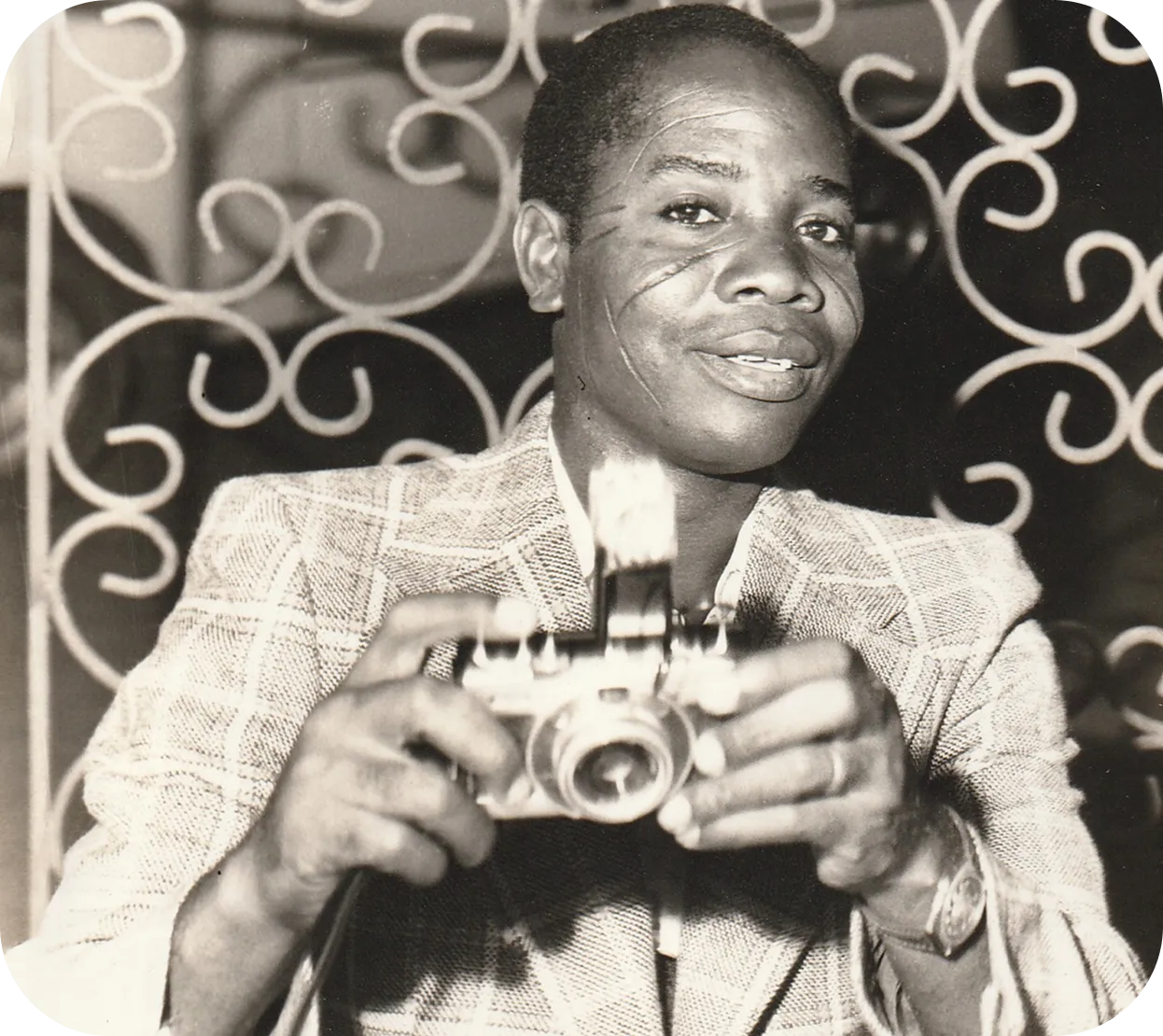
The core of the collectors here consists of early adopters and enlightened music enthusiasts in search of unique and special records - many of them deejays as the focus is danceable music. People looking for dancefloor tools, sure shots to rock a crowd that wants to sing along while dancing or obscure releases with a beat.
In 2002, after ten years deeply involved in discovering 50’s to 80’s American jazz, funk, soul & disco vinyl, I decided to switch to a completely new editorial line and launch this website. Instead of taking highways, I travel cross-country roads and crooked paths in my record digging destinations and am deeply involved in worldwide grooves, from Brazilian to African to Caribbean to Latin American music. With boldness and curiosity as essential guidelines, always opened to new things and eager to learn, I humbly face what remains to be done instead of looking satisfactorily to what has already been achieved.
This unique expertise in record digging was first developed during a long stay in Salvador da Bahia, Brazil, in the very early 2000’s. Salvador is a humid city, and only had a handful of used vinyl record stores by then. The samba jazz, bossa nova or Brazilian funk available in Rio or São Paulo hardly showed up there. I didn’t have the choice but to adapt and investigate new directions and opened up the ears to Brazilian music genres I had ignored until then such as forro, carimbo, samba, frevo or maracatu. Applying a very simple lesson learnt from one of my mentors: listening to everything!
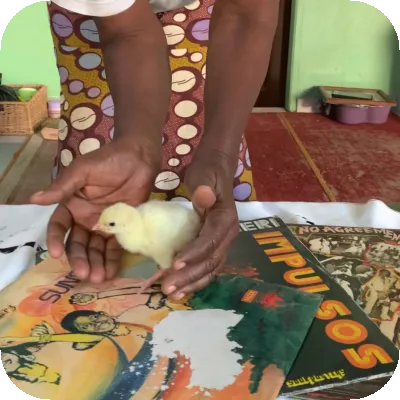
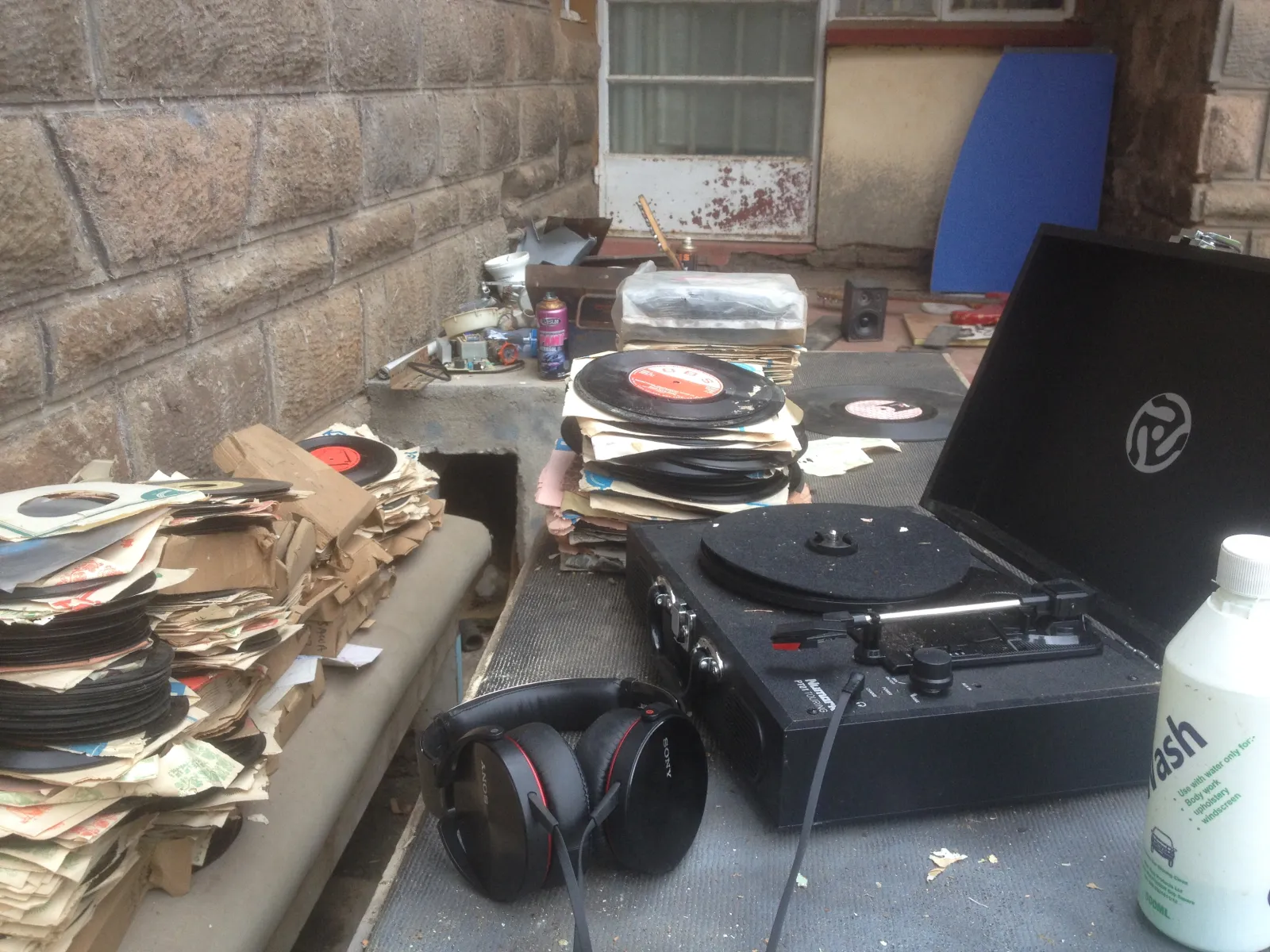
Every single record I saw, regardless the information provided on the cover, was played on a portable record player. I took record digging very differently from any of my few challengers there and took advantage of this mind openness to find extremely rare records.
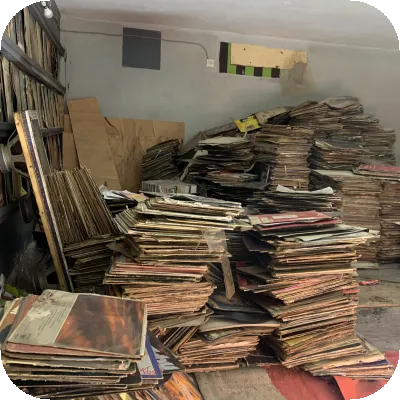
Under 30°C tropical temperatures and 90% humidity, record digging was totally different from my experience in Paris France and other Western countries. In Northeastern Brazil, records suffered from the wet hot climate and heavy rains, those causing floods in private houses. The discs were often covered with mold, the paper covers damaged by humidity or eaten by mice. Records were also unproperly handled by careless owners and sellers, piled up, hence warped, sometimes stuck in hardly accessible narrow spaces, or scratched to death. Sweating from the heat or physical efforts to dig a low ceiling basement, cuffing from the dust and mold, became part of the daily job.
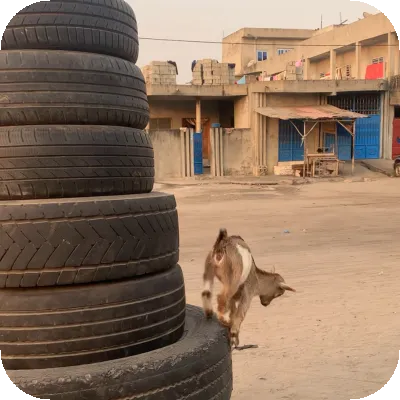
I also had regular acquaintance with insects, rodents and other residents commonly found in record stocks. This was hardcore record digging, literally. And this is how I keep doing it. If it’s too easy, I’m just not interested: what I really want is unsung destinations on the global record digging map, places with harsh weather and no record stores, where competitors hardly go to or have never been. Because I believe that’s the only way to offer rare records, really rare ones, from outer space; things no one ever saw for auction on ebay or that are not listed on discogs yet. This is what makes diasporarecords.com so unique.
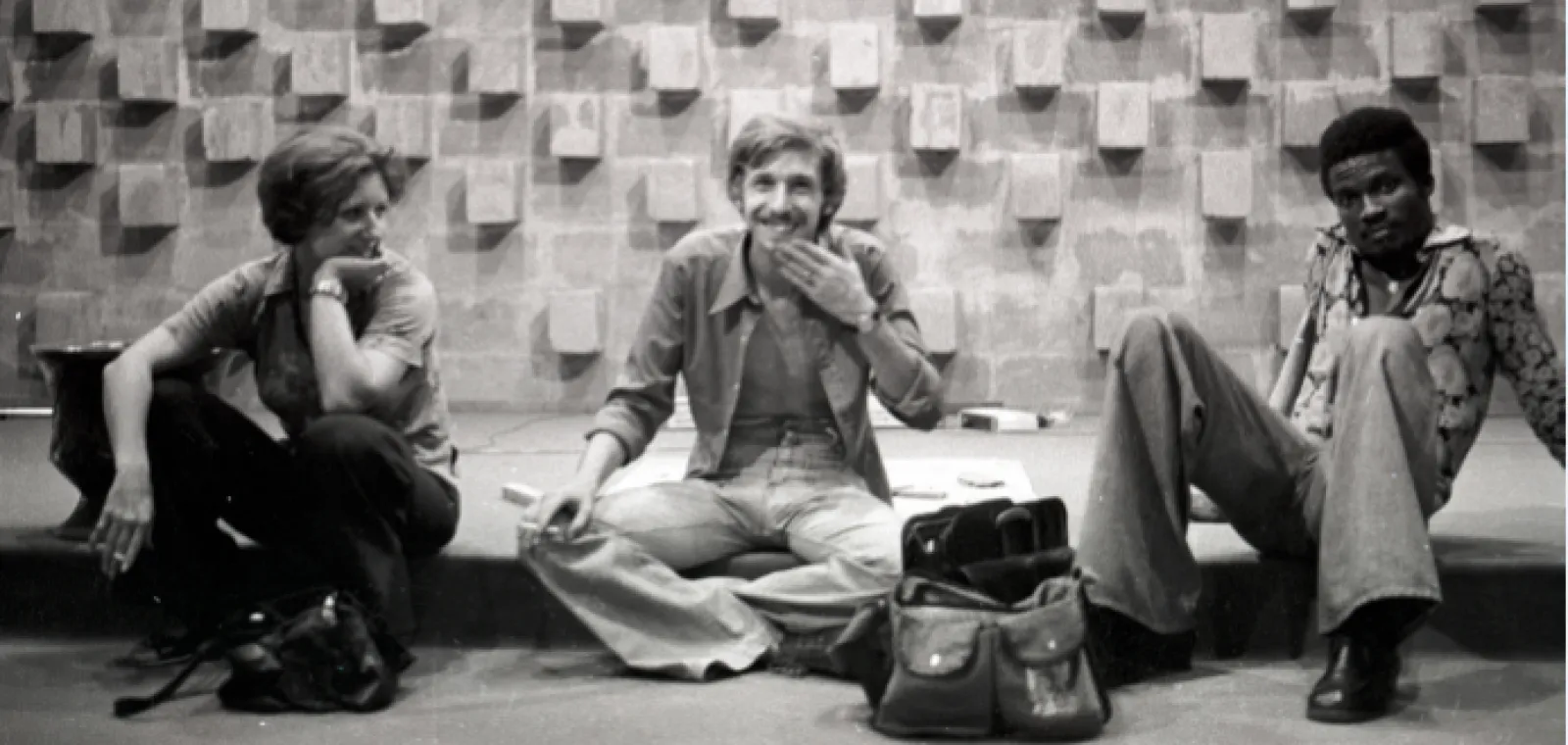
Under 30°C tropical temperatures and 90% humidity, record digging was totally different from my experience in Paris France and other Western countries. In Northeastern Brazil, records suffered from the wet hot climate and heavy rains, those causing floods in private houses. The discs were often covered with mold, the paper covers damaged by humidity or eaten by mice. Records were also unproperly handled by careless owners and sellers, piled up, hence warped, sometimes stuck in hardly accessible narrow spaces, or scratched to death. Sweating from the heat or physical efforts to dig a low ceiling basement, cuffing from the dust and mold, became part of the daily job.
I also had regular acquaintance with insects, rodents and other residents commonly found in record stocks. This was hardcore record digging, literally. And this is how I keep doing it. If it’s too easy, I’m just not interested: what I really want is unsung destinations on the global record digging map, places with harsh weather and no record stores, where competitors hardly go to or have never been. Because I believe that’s the only way to offer rare records, really rare ones, from outer space; things no one ever saw for auction on ebay or that are not listed on discogs yet. This is what makes diasporarecords.com so unique.
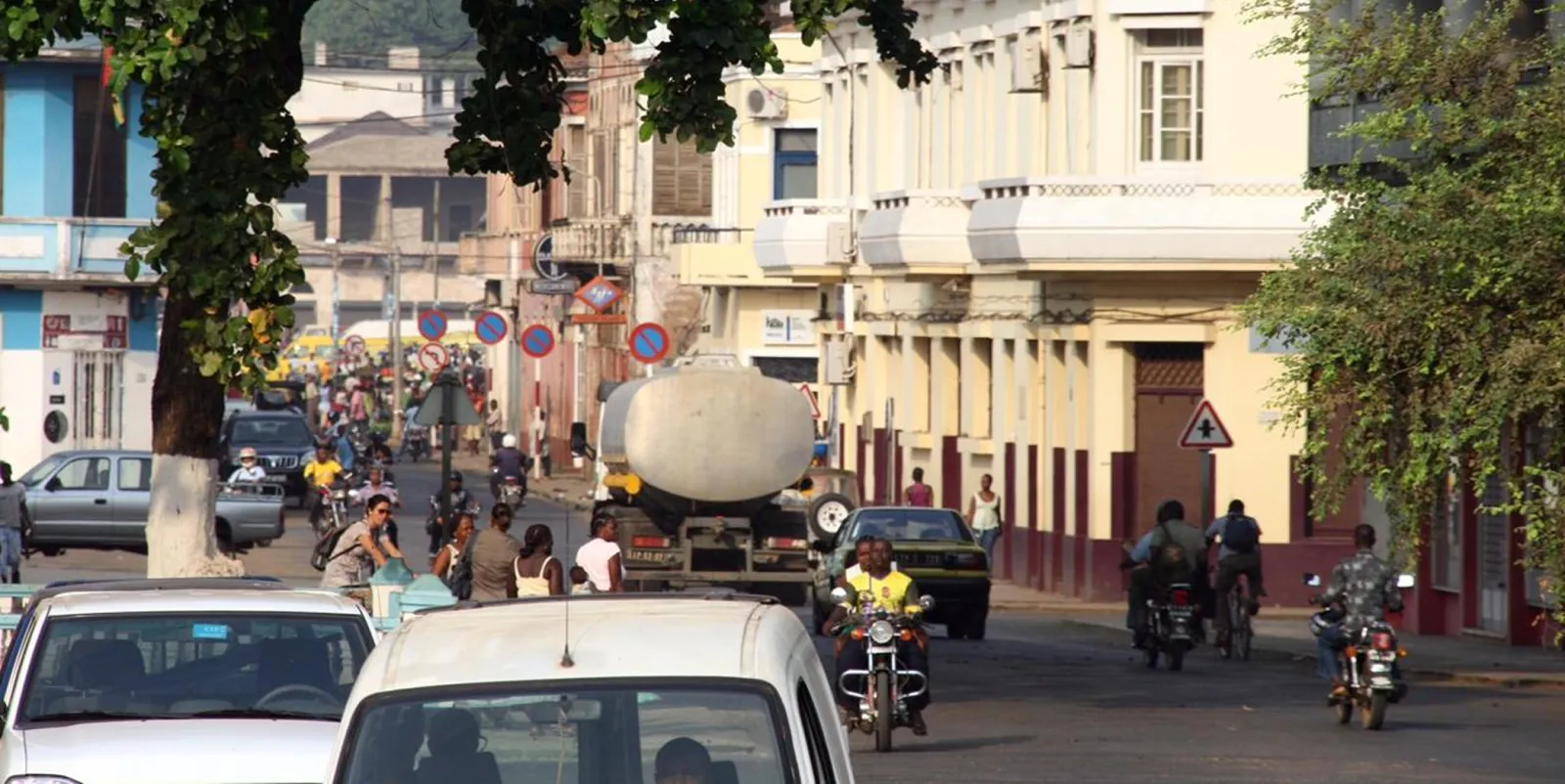
Diasporarecords.com, a benchmark website for unique musical destinations
I offer carefully curated records brought back from distant countries over the globe. Accurate selections following a precise editorial line so helpful when the online offer is so overwhelming. I keep travelling all year long on a worldwide record hunt and have visited dozens of countries, from Lebanon to Zambia, from Chile to Cuba, from Portugal to the US. Unearthed thousands of forgotten or totally unknown titles, contributing, with a few competitors, to a totally renewed art direction in vinyl record collecting.
Diasporarecords.com was launched in 2002, shortly after a first record digging trip to Ivory Coast, West Africa. Back then, African music records were almost absent in Western countries record stores. The few ones that eventually showed up had been recorded by Europe or U.S. based African artists, so accessing unsung rhythms and melodies from the African musical patrimony implied to go and get them on the field. Most of the African music recorded and produced on the African continent that a few avant-garde diggers were trying to find had never reached the West, due to either the lack of a large export market or of a dedicated distribution network. As a pioneer website, offering a wide selection of 60’s to 80’s modern Brazilian, Caribbean, and African music much further than the in-demand afro funk, Diaspora records introduced collectors and fellow record dealers to niche stuff such as Ghanaian rocksteady, Nigerian roots reggae, Beninese & French Caribbean salsa.
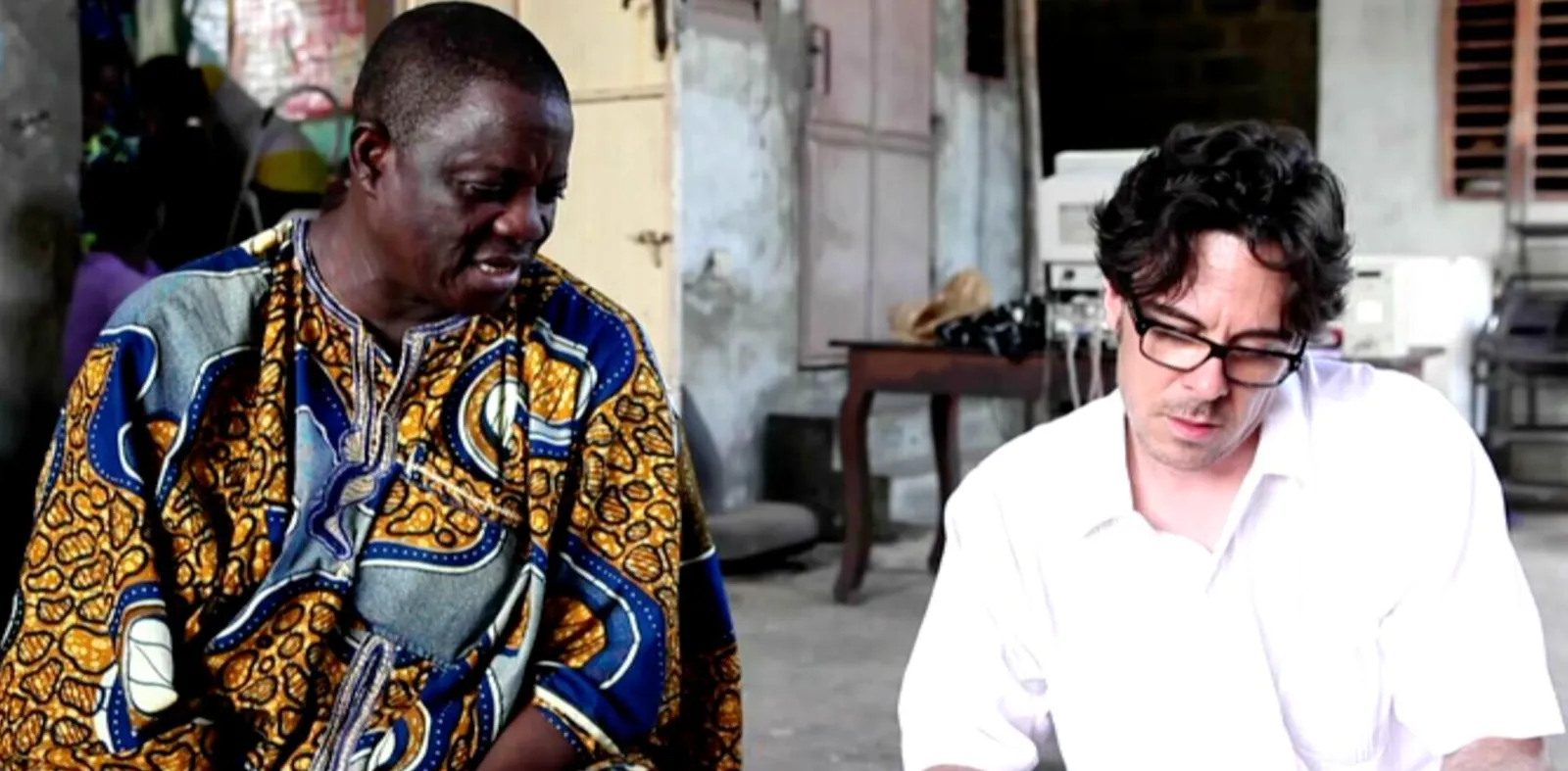
Deejay expertise: from the dust to the dancefloor
Diaspora records ends up having an impact on a much wider audience thanks to the passionate work of trend setter deejays and music producers, many of them among regulars here. By entertaining dancers or putting out reissues worldwide, these actors largely contribute to take things several steps further and are part of a larger global trend that firmly reshaped Western countries musical taste in the 2010’s. I also did my part as a deejay and have been spinning vinyl records since the mid 90’s, starting with hip hop and 70’s US funk, to later include reggae, Brazilian grooves or salsa and then, in the early 2000’s, all these African, Caribbean & Latin American genres for which Diaspora records stands out among other online stores.
This deejay expertise helps me offer danceable vintage music and advise fellows as to what crowds can enjoy on a dancefloor, and I’m more than happy to spread the good word indirectly, so that what I believe in can reach audiences I’d never play records to. Furthermore, a whole new generation of deejays and collectors with an interest in 80’s-90’s music has emerged in the late 2010’s and influenced veteran diggers like me in return. The new school put light on musical genres I had overlooked such as French Antilles zouk or drum programmed afro pop. And I obviously embrace the wave enthusiastically and offer them here on Diaspora records.
The Oriki music record label experience
To reach new audiences and hit the radios, I launched the Oriki music record label in 2005 with the help of my best friends. Oriki is an extension of the Diaspora records spirit: we put out reissues and contemporary productions following the same editorial line - among them the iconic Orchestra Baobab’s “A night at Club Baobab”, Moussa Doumbia “Keleya” or the “Akwaba Abidjan” multi artist compilation.
I am very proud and happy to help fill the gap between the Western audiences and the music patrimony recorded all over the planet. Today one can easily hear 70’s afrofunk, samba soul, Vietnam pop or 80’s African salsa, proto house & Caribbean jazz on music streaming websites, the radio, in hip night clubs, bars or restaurants. Who would have expected that to happen when Diaspora records was launched in 2002 and only addressed a few dozen collectors?
One ambition: support cultural encounters to highlight universal beauty in music
Diaspora records is conceived as a cultural mediator which underlying mission is to highlight universal beauty and modernity. I don’t only aim to encourage a musical dialogue between the customers and foreign cultures, unheard rhythms, and melodies. I want to put those cultural productions into perspective and on an equal footing with the Western jazz, funk & pop. Create bridges, link stylistically and geographically distant popular music, artists, and audiences. Contribute to a non-Eurocentric vision of mankind, that takes Otherness for what it inherently is, and considers all cultural productions with curiosity and benevolence.
On one hand, one will notice the term “world music” is completely absent at Diasporarecords.com. And that is a statement! World music doesn’t exist, what artists play are clearly named and identified musical genres or rhythms. Be it salsa, cumbia, makossa, guaracha, gazzo, m’balax, mento, ska, compas, cadence, biguine or samba jazz, none of that has much to do with each other. It might all sound similarly carnivalesque to unaccustomed ears, but it is all the product of a singular history and multiple endogenous causes and explanations. Why group all together into one single homogenizing category such as “world music” then?
On the other hand, most of the afore mentioned music has undeniably much in common. These musical genres are all the product of cross-cultural exchanges, originated during the Atlantic African slave trade, and sustained throughout the 20th century. To name a few, American jazz, Brazilian samba and Cuban son were born at the same historical moment, created by artists with comparable backgrounds. One can clearly see a family tree puts in evidence the connections between the Americas, Caribbean, and Africa. And digging a bit deeper, one will also identify global modern trends hitting different parts of the globe at similar moments of the 20th century.
So, if you’re into all these cross Atlantic musical genres, you will probably find many jazz, funk, soul, salsa, reggae, island grooves or modern African rhythms vinyl records of your interest here. And you can also try your luck to grab that Arabic classical music, Asian pop or American rock rarity because we’re always buying and offering great music from all over the globe.
Beauty is out there, waiting for you. Let’s stay innovative, bold and humble. Let’s keep listening to everything, so that you record collectors, deejays and producers can pass music on, and everybody can hear it and dance to it.
Greg de Villanova
gregdevillanova.com